Owning equipment free and clear is a strength, but many business owners do not realize it can also be a source of working capital. When cash is needed for growth, payroll, repairs, expansion, or other operating needs, selling productive equipment is often the wrong move. A properly structured equipment sale-leaseback financing transaction may allow a business to access equity in titled assets while keeping those assets in service.
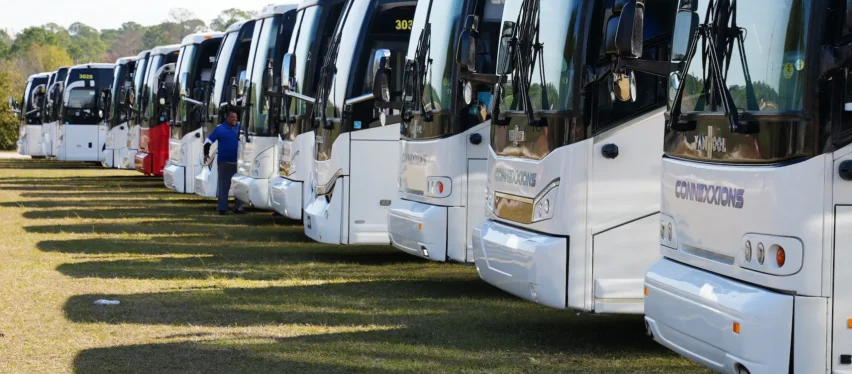
That was the situation for an established transportation company with approximately 15 buses in its fleet. The company needed $100,000 in working capital to keep growing. Its 626 credit score made the file more challenging, but it did not tell the whole story. The company also had a meaningful strength: titled vehicles it owned free and clear.
Direct Credit Funding structured a $100,000 cash-out refinance and sale-leaseback using those vehicles as collateral. Instead of tying up capital in the fleet, the business unlocked value from assets it already owned and put the cash back into the company.
The Deal Snapshot: $100,000 Fleet Sale-Leaseback
The customer’s existing fleet and operating history created a more complete underwriting story than the credit score alone.
| Deal Component | Details |
| Equipment / Collateral | Free-and-clear titled buses in an approximately 15-bus fleet |
| Funding Amount | $100,000 |
| Industry | Transportation |
| Time in Business | 11 years |
| Borrower Credit Profile | 626 credit score |
| Structure | Cash-out refinance / equipment sale-leaseback |
| Advance Rate | 50% loan-to-value |
| Term | 36 months |
| Documentation | Application only; no bank statements required for this transaction |
| Outcome | $100,000 funded for working capital |
This was not an unsecured working-capital request. It was an equipment-backed structure designed around titled assets with available equity. The borrower gained capital without having to sell off the buses that supported its operation.
Why This Deal Was Approved
Free-and-Clear Titled Equipment Created Real Collateral Value
The key was the fleet. The borrower owned the vehicles free and clear, which gave the transaction a clear collateral base. By keeping the advance at 50% loan-to-value, the structure provided a meaningful equity cushion against the equipment value. That made the request more workable than a cash-flow-only or unsecured capital request.
A sale-leaseback is not a shortcut around underwriting. The equipment must have sufficient value, be titled correctly, and fit the program’s collateral requirements. In this case, the owned buses gave the file a strength that could be evaluated directly.
Operating History Added Context Beyond the Credit Score
A 626 score can narrow available options, but it does not automatically end every equipment-backed request. This transportation company had been operating for 11 years and maintained an established fleet. That history helped provide context for a credit profile that may not have qualified for the same structure without collateral.
The practical lesson is simple: credit matters, but so do the assets, time in business, and the overall story behind the request. Businesses should not assume that a less-than-perfect score means their owned equipment has no financing value.
The Documentation Matched the Transaction
This file was completed on an application-only basis with no bank statements required. That kept the process straightforward and helped the borrower pursue capital without turning a collateral-backed request into an unnecessarily complicated package.
Application-only financing is never automatic. Documentation requirements, advance rates, terms, and approval conditions vary by equipment type, title status, valuation, credit profile, time in business, and the overall file. This transaction shows what can be possible when the structure fits the assets.
How Equipment Sale-Leaseback Financing Works
An equipment sale-leaseback, often called a cash-out refinance, is a way to access equity in equipment a business already owns. Rather than selling the equipment to a third party and losing use of it, the business works with a financing provider to structure a transaction against eligible assets and continues using the equipment under the agreed terms.
| Step | What Happens |
| 1. Identify eligible assets | The business identifies trucks, buses, trailers, or other titled equipment that is owned free and clear. |
| 2. Review value and title status | The collateral is evaluated for condition, marketability, ownership, and available equity. |
| 3. Structure the request | The requested capital, loan-to-value, term, credit profile, and operating history are reviewed together. |
| 4. Fund and keep operating | If approved, the business receives capital and retains use of the equipment under the transaction’s terms. |
For a transportation company, this can be a practical alternative to selling fleet assets, delaying needed purchases, or relying solely on unsecured capital. It puts existing equipment equity to work while helping preserve operating capacity.
Frequently Asked Questions About Equipment Sale-Leaseback Financing
Can a business get working capital from buses, trucks, or trailers it owns free and clear?
Potentially, yes. Titled equipment with available equity may support a cash-out refinance or sale-leaseback, provided its value, condition, title status, and the borrower’s overall profile meet program guidelines. Vehicles and other equipment are reviewed individually; owning them free and clear is an important starting point, not a guaranteed approval.
What is a cash-out refinance or equipment sale-leaseback?
It is an equipment-backed financing structure that allows a business to draw capital from eligible assets it already owns. The business receives funds based on a supportable collateral value and keeps using the equipment under the agreed transaction terms, rather than selling it and losing access to it.
Can a 626 credit score qualify for equipment-backed financing?
It can, depending on the complete file. This recently funded transaction involved a 626 score, but it also included an 11-year operating history and free-and-clear titled fleet collateral at a 50% loan-to-value. A credit score is one consideration; it is not the only consideration.
How much can a business borrow against owned equipment?
The amount depends on the equipment’s realistic value, lien and title status, age and condition, collateral type, desired term, credit profile, and other deal factors. In this case, Direct Credit Funding funded $100,000 at a 50% loan-to-value. Other transactions may require different terms, documentation, or structures.
Turn Owned Equipment Into Working Capital
If your business owns buses, trucks, trailers, or other titled equipment free and clear, you may already have an asset-based path to working capital. Do not assume that selling the equipment or taking an expensive unsecured option is the only answer. Let Direct Credit Funding review the assets, the equity, and the full business story to see whether a sensible structure is available.
Start the review through Direct Credit Funding’s official application page.
Apply for Equipment Financing Today
Individual approvals, funding amounts, advance rates, documentation requirements, and terms vary by collateral, credit profile, time in business, and the overall strength of the file.
Direct Credit Funding — Fast Approvals | Real Solutions | Since 1997